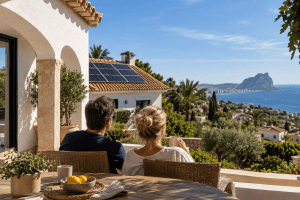
“Buying a home in Spain is a dream come true for many Belgians and Dutch people.”
Whether you opt for a coastal apartment, a villa in a residential area, or a finca in a rural setting, each property comes with its own responsibilities and risks. Many of these only become apparent when you actually live there or when something unexpected happens.
Consider storm damage, wildfires, flooding, extreme heat, or the maintenance of your home and property. The right home insurance also plays an important role in preventing unpleasant surprises.
That doesn't mean you need to worry. Quite the opposite. Anyone who knows what to look out for can enjoy their home in Spain with peace of mind.
Would you like a quick overview first? The infographic below shows the ten key points we discuss step-by-step in this article.
Why a home in Spain requires more attention than many people think
A home in Spain differs from a home in Belgium or the Netherlands in various ways. Not only the climate, but also the architectural style, local regulations, and the way homes are maintained are different. As a result, you will sometimes encounter situations you might not immediately expect.
In the following sections, we will discuss the ten most important points that virtually everyone with a home in Spain will encounter sooner or later.
What aspects are particularly important for your home?
Not every home in Spain runs the same risks. The location and type of home often determine which points of attention are extra important. The overview below provides an initial indication.
| Type of home | Points to consider |
|---|---|
| Seaside apartment | Storm damage, heavy rain, dampness, common areas, and prolonged vacancy. |
| Villa in an urbanization | Swimming pool, garden maintenance, solar panels, alarm system, power outage, and liability. |
| Rural house or finca | Wildfires, fire prevention, trees and vegetation, wildlife, water shortages, and accessibility. |
| Second home | Vacancy, security, belatedly discovered damage, and regular maintenance. |
| Older house | Electrical installation, piping, roof, moisture problems, and a correct insured value. |
Please note: this is a general indication. The actual risks always depend on the location, architectural style, use, and characteristics of your home.
The 10 most important points to consider when buying a property in Spain
Every home in Spain is different. Location, climate, and surroundings largely determine the risks involved. Some homes are located on the coast, others in an urbanization, or in the middle of nature. Nevertheless, there are a number of points of attention that are important for almost every home.
By being aware of these topics in advance, you can prevent problems and better assess which preventive measures and insurances are suitable for your situation. Below, we discuss the ten most important points to consider as a homeowner in Spain.
Wildfires
When many people think of Spain, they think of sun, beaches, and a pleasant climate. Less known is that wildfires are also part of the Mediterranean landscape in certain regions. Especially during hot and dry summers, a small fire can spread surprisingly quickly due to the combination of drought, wind, and vegetation.
Fortunately, this does not mean that every home in Spain is at high risk. The likelihood depends heavily on the location of your home. If you live in an urban area or a densely populated development, the risk is usually limited. If, on the other hand, your home is located in a rural area or close to a nature reserve, it is advisable to pay extra attention to prevention.
Fortunately, as an owner, you can do a lot yourself to reduce the risk. For example, regularly remove dry grass and leaves, prune trees and shrubs, and keep the area around your home clear. This way, you prevent a potential fire from spreading more easily. Some municipalities even have specific rules or maintenance obligations for this.
Don't forget to follow the warnings from your local government during the summer months. During extremely dry weather, temporary measures may be in effect, such as a barbecue ban or restrictions on activities that can cause sparks. By respecting this advice, you will not only help protect your own home but also the surrounding area.
Finally, it's important to check if your home insurance aligns with your home's location. Not every policy is the same, and it's wise to know in advance how damage from a wildfire will be handled and what steps you need to take if an incident does occur.
2. Fire prevention around your home
Fire prevention doesn't start only when a fire breaks out. With a few simple checks and minor maintenance, you can significantly reduce the risk of fire. This is important not only for homes in rural areas but for every home in Spain.
Many home fires are not caused by one major mistake, but by a combination of small risks. Think of a poorly maintained chimney, a faulty electrical appliance, an overheating air conditioner, or dry vegetation growing too close to the house. Extra caution is especially important during the hot summer months.
Outside the house
- Regularly remove dry grass, leaves, and pruning debris.
- Trim trees and shrubs growing too close to the facade, roof, or electrical lines.
- Store firewood, gas canisters, and other flammable materials at a sufficient distance from the house.
- Keep access roads clear so emergency services can reach the property quickly.
- For rural or wooded locations, check which local maintenance regulations apply.
- Avoid sparking activities on high fire danger days.
Inside the home
- Install smoke detectors in strategic locations and test them regularly.
- Have outdated electrical installations checked.
- Maintain air conditioning, chimneys, and heating systems according to regulations.
- Do not overload electrical outlets and extension cords.
- Ensure a fire extinguisher and fire blanket are easily accessible.
- Before leaving, check that electrical appliances and cooking equipment are safely turned off.
Small measures may seem obvious, but they can make a big difference in an emergency. A well-maintained home is not only safer, but also reduces the likelihood of problems should you ever need to file a claim on your home insurance.
3. Floods and heavy rainfall
Spain is known for its sunny climate, but that doesn't mean heavy rain is exceptional. On the contrary. After long dry periods, an enormous amount of rain can fall in a short time, turning streets into rivers and homes into unexpected flood zones. Homes on the coast, in valleys, or on hillsides can be particularly vulnerable to this.
Many expats believe that flooding is only a problem if their home is located near a river. In reality, water can also enter your home through streets, patios, garages, or drains. Therefore, don't forget to think about prevention in advance.
What can you do yourself?
- Regularly check that gutters and downspouts are free of leaves and debris.
- Ensure that patios and gardens can drain rainwater properly.
- Do not store valuables directly on the floor of a basement or garage.
- Check doors, windows, and any seals for wear.
- Follow weather warnings from AEMET and the local government, especially during periods of heavy rain.
Not all water damage is treated the same way, either. Coverage depends on the cause of the damage and the terms of your homeowner's insurance. Therefore, it is wise to know in advance what protection your policy offers and what steps you should follow if your home does suffer damage.
4. Storm damage
Storms in Spain can unfold very differently than in Belgium or the Netherlands. Especially on the coast and in open areas, storms are often accompanied by strong winds, heavy rain, or hail. This can lead to damage to roofs, shutters, pergolas, solar panels, and garden furniture in a short period of time.
Many owners think that storm damage only occurs during exceptionally bad weather. In practice, however, we see that minor defects are often the biggest cause. A loose roof tile, a blocked gutter, or a poorly secured pergola can quickly cause much greater damage during a storm.
You can prevent many problems by inspecting your home at least once a year. For example, pay attention to:
- loose roof tiles or roofing;
- clogged gutters and drains;
- damaged roller shutters or awnings;
- garden furniture or planters;
- the confirmation of solar panels.
After a storm, always check your home, even if you don't see anything unusual at first glance. Minor damage can later lead to moisture problems or larger repairs.
For your home insurance, storm damage is also an important consideration. Not every policy offers the same coverage, and the conditions can vary depending on the cause of the damage. Therefore, it is wise to have your policy checked regularly.
5. Wild animals
Depending on the region you live in, you may encounter various wild animals in Spain. These can include wild boars, foxes, rabbits, stone martens, or even snakes. These animals usually keep their distance and do not pose a danger to humans. However, they can sometimes cause damage to your garden, irrigation system, fences, or even parked vehicles.
Homes on the outskirts of nature reserves or in rural areas are more likely to encounter this. For example, wild boars can dig up lawns and gardens in search of food, while stone martens sometimes damage cables or insulation material.
How can you prevent problems?
- Do not leave food scraps or pet food outside.
- Regularly inspect the fences and enclosures of your property.
- Trim dense vegetation around the home to limit hiding places.
- Protect irrigation hoses and vulnerable garden installations.
- Report conspicuous behavior or injured wildlife to local authorities.
Most encounters with wild animals happen without problems. Nevertheless, it's good to know which animals live in your area and how you can easily protect your home and property.
6. Extreme heat
Summers in Spain can be very hot for weeks on end. Temperatures above 35°C (95°F) are not uncommon in many regions, and it can get even hotter during heatwaves. This not only affects your living comfort but also your home in Spain.
Due to the persistent heat, materials are constantly exposed to high temperatures. Roofs, facades, shutters, and terraces expand, while air conditioning systems and other installations are used much more intensively. Your garden and plants also often require more attention during warm periods.
How can you protect your home?
- Regularly check your air conditioning and have it serviced in a timely manner.
- Keep shutters or awnings closed as much as possible during the day to keep the heat out.
- Ventilate your home early in the morning or late in the evening.
- Give trees and plants adequate water, taking into account any local restrictions.
- Regularly check wooden elements, seals, and caulking joints for drying out or wear.
Extreme heat not only increases the chance of wear and tear, but can also reveal existing minor defects more quickly. Regular maintenance helps prevent bigger problems and unexpected costs.
7. Water shortages and drought
Periods of drought are a normal part of the climate in many parts of Spain. Especially during the summer, there may be hardly any rain for weeks or even months. This not only affects nature but also your home in Spain and the way you use water.
When the drought persists, municipalities may introduce temporary measures to save water. This could include restrictions on watering gardens, filling swimming pools, or washing vehicles. The rules that apply vary by region and can change from year to year.
How can one prepare?
- Water plants preferably in the early morning or late evening to minimize evaporation.
- Regularly check for leaking faucets, pipes, and irrigation systems.
- Where possible, opt for drought-resistant plants that require less water.
- Follow your municipality's guidelines during periods of water scarcity.
- Use water consciously so that you can continue to live comfortably even during dry periods.
Drought usually doesn't cause direct damage to your home, but it can affect your garden, water consumption, and daily comfort. By considering this in advance, you'll prevent any surprises and also contribute to responsible water use.
8. Trees and vegetation on your property
Trees, shrubs, and other plants add a lot of charm to your home in Spain. They provide shade, privacy, and cooling during the hot summer months. At the same time, they also come with a responsibility. Poorly maintained vegetation can cause damage not only to your home but also to that of your neighbors.
Overhanging branches, dead trees, or roots that damage pavement, walls, or pipes occur more often than many owners realize. Furthermore, during storms or periods of extreme drought, trees can fall over or lose branches more quickly. Additionally, some municipalities have regulations regarding property maintenance, especially when properties border nature reserves.
What can you look out for?
- Regularly prune trees and shrubs to remove overhanging or dead branches.
- Keep vegetation a sufficient distance from facades, roofs, and chimneys.
- Check trees after a storm for damage or hanging branches.
- Please note that roots do not cause damage to patios, walls, or pipes.
- Inquire with your municipality if there are any local maintenance obligations.
Good maintenance not only makes your garden safer, but also helps prevent damage to your home and unexpected costs. Furthermore, it prevents disputes when damage arises due to overdue maintenance.
9. Power Outage
Although the electricity grid in Spain is generally reliable, power outages can occasionally occur. After a severe storm, a technical defect, or work on the network, the electricity may be temporarily cut off. In rural areas, restoration sometimes takes longer than in urban zones.
For many owners, this is particularly annoying, but when your property in Spain relies on electrical installations, a power outage can also have practical consequences. Think of electric gates that no longer open, alarm systems that fail, internet that goes down, or water pumps that temporarily stop working.
How can one prepare?
- Ensure you know how to manually open an electric gate.
- Keep a flashlight and spare batteries in a fixed location in the house.
- Charge mobile phones when bad weather is forecast.
- Check if your alarm system or internet router has a backup battery.
- Keep a power bank so you can stay reachable even during a power outage.
- Do you live in a remote area? Then an emergency generator or home battery can be an interesting solution.
A power outage usually doesn't last long, but being well-prepared prevents a lot of inconvenience. This is how your home stays safe and easily accessible, even during unexpected situations.
10. The right home insurance
After reading the points above, one thing becomes clear: no two homes in Spain are exactly alike. An apartment by the coast, a villa with a pool, or a rural finca each have their own characteristics and risks. Therefore, there is no one-size-fits-all home insurance policy.
Many homeowners take out insurance when they buy their home and then don't look at it again for years. Yet, a home often changes over the years. Perhaps you install solar panels, add a swimming pool, renovate the kitchen, or create an extra guest room. All these changes can affect your insurance.
What should you pay attention to?
- Regularly check if the information in your policy still matches your home.
- Timely report significant changes, such as a renovation, swimming pool, or solar panels, to your insurer or broker.
- Don't just look at the premium, but especially at the coverage and the terms and conditions.
- Check if outbuildings, terraces, fences, and other permanent features are also correctly included.
- Have your policy reviewed every few years, especially when your situation changes.
A Good home insurance It's not just about compensating for damage. It primarily ensures that you can enjoy your home in Spain with peace of mind, knowing that your home matches the coverage you have chosen.
Summary
A home in Spain not only brings sun, peace, and a pleasant lifestyle, but also a number of points to consider that may differ from what you are used to in Belgium or the Netherlands. By considering topics such as wildfires, storm damage, flooding, maintenance, and the right home insurance in advance, you can prevent many unpleasant surprises.
Every home is unique. The risks that are important to you depend on the location, surroundings, and characteristics of your home. Therefore, there is no one-size-fits-all solution.
Frequently Asked Questions about a Property in Spain
What risks do owners of a home in Spain most often underestimate?
Many expats primarily think about burglary or water damage, but forget risks such as wildfires, storm damage, extreme heat, or prolonged drought. Which risks are important to you depends on the location of your home and the environment in which you live.
Does the location of my home make a difference to my insurance?
Yes. A coastal apartment, a villa in a housing development, or a rural home can each carry different risks. Accessibility, the surroundings, and any outbuildings can also affect your home insurance.
How do I know if my home is adequately insured?
This starts with an accurate description of your home and coverage that matches your personal situation. When you renovate, install solar panels, or make other significant changes, it is wise to have your insurance rechecked.
As a new owner, what should I pay special attention to?
Good preparation prevents many problems. Not only check your home insurance, but also inform yourself about home maintenance, local regulations, and the risks that may occur in your region. This way, you can enjoy your home in Spain with peace of mind.